Chapter 1: Understanding THC – The Heart of Cannabis
Introduction to THC
What is THC for beginners? Understanding THC is the first step for any new cannabis consumer. As the primary psychoactive compound in the plant, this powerful molecule is responsible for the famous “high,” but its role goes far beyond recreation. By interacting with your endocannabinoid system, THC can influence everything from your mood to your perception of pain. In this chapter, we’ll explore the science behind the CB1 receptor and how the THC-to-CBD ratio can completely change your experience.
Part of the Cannabis 101 Series
THC and the Endocannabinoid System Explained
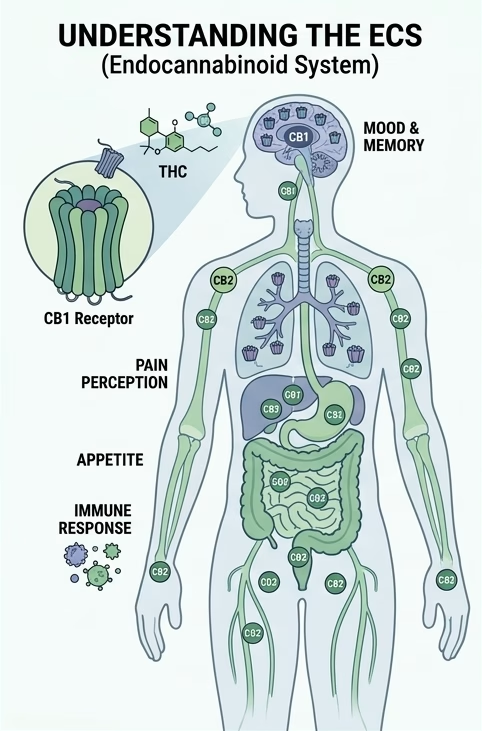
As shown in the diagram above, THC travels through the bloodstream to bind with receptors located in the brain, gut, and immune system.
| Feature | Details |
|---|---|
| Primary Role | The main psychoactive compound responsible for the “high”. |
| How it Works | Binds to CB1 receptors in the brain’s endocannabinoid system. |
| Medical Uses | Helps with chronic pain, nausea, appetite loss, and MS symptoms. |
| Main Risks | Can cause anxiety, paranoia, and impaired motor coordination. |
| Pro Tip | CBD can counterbalance THC’s intensity for a more balanced effect. |
How THC for Beginners Works in the Brain
When you consume cannabis, THC binds to cannabinoid receptors in the brain, primarily the CB1 receptors, which are involved in regulating mood, memory, and motor control. This interaction causes the euphoric “high” associated with cannabis use. THC also affects other parts of the brain, including those that control sensory perception and time, which can lead to heightened senses and altered perception.
Common Medical Benefits: Why THC for Beginners is Used Therapeutically
In addition to its recreational effects, THC has a range of potential medical uses. Studies have shown that THC can help with chronic pain, nausea, and lack of appetite, particularly in patients undergoing chemotherapy. It’s also been used to treat conditions like glaucoma, multiple sclerosis, and anxiety disorders. However, as with any drug, the effects vary from person to person, so it’s important to use THC responsibly, especially for medicinal purposes.
Safety Tips: Using THC for Beginners
While THC offers numerous benefits, it also has risks. High doses can lead to anxiety, paranoia, or even hallucinations, particularly in those who are unaccustomed to cannabis. THC can also impair short-term memory and motor coordination, which is why it’s crucial not to drive or operate heavy machinery after using cannabis. For beginners, starting with small doses and gradually increasing them is the best way to avoid unwanted side effects.
The THC-to-CBD Ratio
Cannabis plants contain other compounds called cannabinoids, such as cannabidiol (CBD), which have different effects. THC is psychoactive, while CBD is not, and it has been shown to counterbalance some of THC’s more intense effects. Many cannabis products today are formulated with specific THC-to-CBD ratios, allowing users to choose the experience they want, whether it’s a stronger high or a more balanced effect.
Conclusion
Understanding THC is essential for any cannabis user. Whether you’re using it for recreation or medicinal purposes, knowing how THC works in your body will help you make informed decisions about your consumption. In the next chapter, we’ll dive into the different types of cannabis – Indica, Sativa, and Hybrids – to help you choose the right strain for your needs.
Ready to learn about strains? [Click here for Chapter 2: Indica vs. Sativa vs. Hybrid]
The Cannabis 101 Series:
- Ch 1: What is THC? The Essential Guide (You are here)
- Ch 2: Indica vs Sativa: The Ultimate Guide
- Ch 3: The Effects of Cannabis: How to Master Your High
- Ch 4: How to Use Cannabis: The Ultimate Stunning Guide
- Ch 5: How to Use Cannabis Safely: 7 Stunning Secrets
Join the Sesh on Youtube or Spotify
Contact Thoughts Off The Stem