How to Use Cannabis Safely: 7 Stunning Secrets for a Perfect High

Chapter 5: Using Cannabis Responsibly – Staying Safe and Enjoying the Experience

5 Essential Tips for Responsible Cannabis Use for Beginners 

What is responsible cannabis use for beginners? Just like any other substance, the plant requires a level of mindfulness to ensure a positive experience. In this final chapter, we provide practical safety tips to help you minimize risks and maximize enjoyment.

Part of the Cannabis 101 Series

Looking for a specific method? Revisit [Chapter 4: Methods of Consumption – Find Your Perfect Fit] before finishing your journey here.
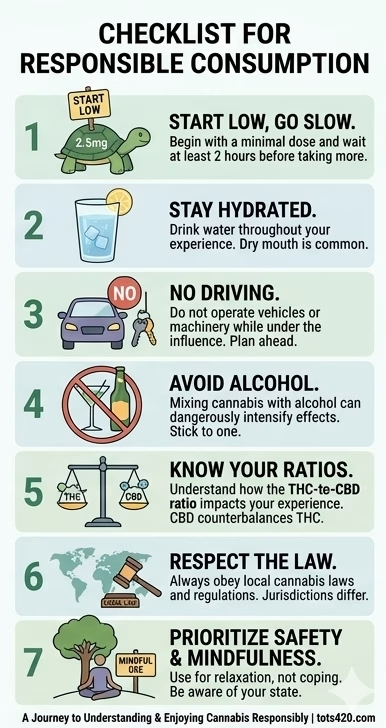
A 7-step checklist for responsible cannabis use for beginners covering dosage, hydration, and safety.

Your essential safety checklist for a positive cannabis experience at tots420.com.

Know Your Limits: Proper Dosage for Beginners 

Whether you’re a beginner or an experienced user, it’s essential to know your limits. Start with a small dose and wait to see how it affects you before consuming more. Edibles, in particular, can be potent, so be patient and allow time for the effects to kick in before deciding to take more.

Why Responsible Cannabis Use Means Avoiding Alcohol 

Mixing cannabis with alcohol or other substances can amplify the effects, which might lead to a more intense high than you’re prepared for. It can also impair your judgment and motor coordination, increasing the risk of accidents. It’s safer to consume cannabis on its own, especially when you’re just starting.

Don’t Drive or Operate Heavy Machinery 

Cannabis can impair your ability to drive or use machinery safely. Always wait until the effects wear off before getting behind the wheel or operating any equipment. If you need to travel, consider taking public transportation, using a rideshare service, or having a sober friend drive.

Legal Safety: How Beginners Can Respect the Law

Cannabis laws vary by region, and it’s important to be aware of the legal status of cannabis in your area. Always follow local laws regarding possession, consumption, and distribution. If you’re traveling, make sure you’re informed about cannabis laws in the places you visit.

Physical Well-being: Staying Hydrated and Eating Well 

Cannabis can cause dry mouth and dehydration, so it’s important to drink water throughout your experience. Eating a balanced meal beforehand can help mitigate any uncomfortable effects like dizziness or nausea.

Conclusion: Your Final Steps Toward Responsible Cannabis Use 

Cannabis can be a great tool for relaxation, creativity, and socializing, but it’s important to use it responsibly. By understanding your limits, respecting the law, and prioritizing safety, you can ensure a positive experience every time. With this knowledge, you’re now ready to dive into the world of cannabis with confidence and awareness.


Final Thoughts

This guide provides a solid foundation for beginners looking to understand and enjoy cannabis responsibly. As you continue your journey, remember to stay informed, be mindful of your choices, and always prioritize safety. Happy exploring!

Congratulations! You’ve finished the Ultimate Beginner’s Guide.

Join the Sesh on Youtube or Spotify

Contact Thoughts Off The Stem
How to Use Cannabis: The Ultimate Guide to a Stunning Experience

Chapter 4: Methods of Use – Find Your Perfect Fit

Popular Methods of How to Use Cannabis for Beginners

How to use cannabis for beginners? There are many ways to consume the plant, and the method you choose significantly affects the onset and duration of your experience. In this chapter, we’ll look at the most common THC delivery methods, along with their pros and cons.

Part of the Cannabis 101 Series

New to the series? Make sure to check out [Chapter 3: The Effects of Cannabis – What to Expect]

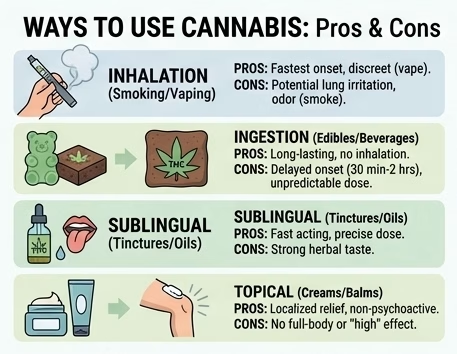
Infographic comparing the pros and cons of cannabis consumption methods: inhalation, ingestion, sublingual, and topical for beginners.

Smoking: Fast-Acting Ways to Use Cannabis

Smoking is one of the most traditional ways to consume cannabis. It involves inhaling the smoke produced by burning cannabis flower. Smoking can be done using joints, pipes, bongs, or blunts.

Pros:

  • Fast onset of effects
  • Simple and familiar for many users

Cons:

  • Can be harsh on the lungs
  • Smell can be strong and lingering
  • Not ideal for those with respiratory issues

Vaporizing: A Modern Method for Beginners 

Vaporizing is a healthier alternative to smoking. It involves heating the cannabis at a lower temperature to release cannabinoids in the form of

vapor, rather than smoke.

Pros:

  • Smoother on the lungs than smoking
  • More discreet with less odor
  • Retains more of the flavor profile of the cannabis

Cons:

  • Requires a vaporizer device, which can be an investment
  • Some devices can be bulky or complicated to use

Edibles: A Discreet Way to Use Cannabis for Beginners 

Edibles are food products infused with cannabis extracts, typically in the form of THC or CBD. Common edibles include gummies, chocolates, cookies, and beverages.

Pros:

  • Long-lasting effects
  • Discreet and easy to consume
  • No lung irritation

Cons:

  • Slow onset (30 minutes to 2 hours)
  • Easy to overconsume if not careful
  • Effects can be unpredictable due to metabolism

Tinctures: How to Use Cannabis Sublingually 

Tinctures are liquid extracts of cannabis that can be taken sublingually (under the tongue) or added to food and beverages. They are absorbed quickly into the bloodstream.

Pros:

  • Fast acting when taken sublingually
  • Precise dosage control
  • Discreet and portable

Cons:

  • Can have a strong, herbal taste
  • Effects may vary depending on the individual’s metabolism

Topicals: How to Use Cannabis for Localized Relief 

Cannabis-infused lotions, balms, and creams are applied directly to the skin for localized pain relief or skin conditions. Topicals do not produce a psychoactive effect, as they do not enter the bloodstream.

Pros:

  • Provides targeted relief for pain or inflammation
  • Non-psychoactive

Cons:

  • Does not provide a high or full-body effect
  • Limited to localized use

Safety Tips: How to Use Cannabis for Beginners Responsibly

Start Low and Go Slow! 

Each method of cannabis consumption has its benefits and trade-offs. By understanding your preferences and needs, you can choose the method that works best for your lifestyle. In the final chapter, we’ll cover how to use cannabis responsibly, ensuring you have a safe and enjoyable experience.

Ready to learn about strains? [Click here for Chapter 5: How to Use Responsibly]

The Cannabis 101 Series:

Join the Sesh on Youtube or Spotify

Contact Thoughts Off The Stem
The Effects of Cannabis: How to Master Your High and Avoid Panic

Chapter 3: The Effects of Cannabis – What to Expect

Introduction 

What are the effects of cannabis for beginners? While the experience varies based on THC/CBD content and your individual tolerance, understanding the primary short-term and long-term effects will help you know exactly what to expect during your first session.

Part of the Cannabis 101 Series

New to the series? Before diving into the effects, make sure to read [Chapter 2: Understanding the Difference Between Indica, Sativa, and Hybrid Strains] to choose the right plant for your needs.

Understanding the Short-Term Effects of Cannabis

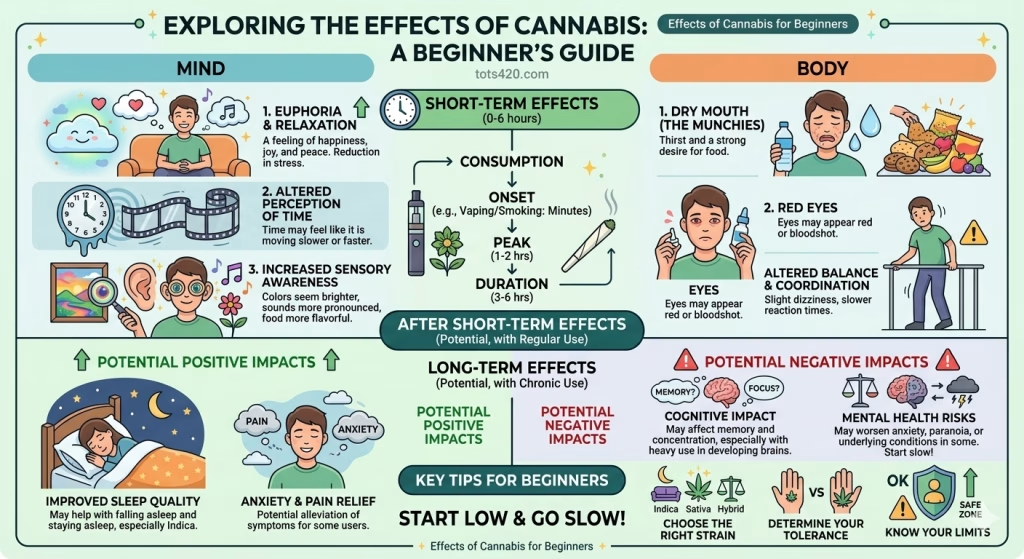
Infographic of the short-term and long-term effects of cannabis for beginners on the mind and body.

The short-term effects of cannabis are felt relatively quickly after consumption, particularly when smoked or vaporized. These effects can last anywhere from a few hours to several hours, depending on the dose and your tolerance level. Here are the most common effects:

  • Euphoria: A feeling of happiness, relaxation, or intense joy. Often accompanied by laughter, heightened sensory perception, and an overall sense of well-being.
  • Altered Perception of Time: Time may feel like it is moving slower or faster than usual.
  • Increased Sensory Awareness: Colors may seem brighter, sounds more pronounced, and food more flavorful.
  • Dry Mouth and Red Eyes: These are common side effects of cannabis use and usually subside as the effects wear off.
  • Increased Appetite (The “Munchies”): Many people experience an increased desire for food, especially snacks.

Potential Long-Term Effects of Cannabis for Beginners

While the long-term effects of cannabis use are still being researched, we do know that chronic use can have both positive and negative consequences. Some potential long-term effects include:

  • Improved Sleep: Many regular cannabis users report better sleep quality, particularly with Indica strains.
  • Cognitive Impact: Frequent cannabis use, especially in high doses, may affect memory and cognitive function, particularly in younger users whose brains are still developing.
  • Mental Health: Some studies suggest that cannabis may alleviate symptoms of anxiety, depression, and PTSD, while excessive use can contribute to anxiety or paranoia, especially in people with a predisposition to mental health disorders.

Different Strains, Different Effects 

As discussed in the previous chapter, the effects of cannabis can vary significantly depending on whether you choose an Indica, Sativa, or Hybrid strain. Indicas tend to produce more relaxing effects, Sativas provide more energy and euphoria, and Hybrids offer a balanced experience.

Managing Tolerance and Overconsumption Safety 

Your tolerance level plays a big role in how cannabis affects you. Beginners should start with low doses and gradually increase them to find their optimal level. Overconsumption, especially with high-THC strains or edibles, can lead to anxiety, dizziness, or even panic attacks. It’s important to know your limits and start slow.

Conclusion 

Cannabis can offer a wide range of effects, from relaxation and euphoria to increased creativity and focus. Understanding how cannabis works in your body, including the role of different cannabinoids and strains, will help you make more informed decisions about your consumption. In the next chapter, we’ll explore the various methods of using cannabis, so you can find the one that works best for you.

What’s next? Now that you know what to expect, let’s look at how to actually use it. [Read Chapter 4: Methods of Consumption – Smoking, Vaping, and Edibles] to find the right technique for your first time.

The Cannabis 101 Series:

Join the Sesh on Youtube or Spotify

Contact Thoughts Off The Stem
The Ultimate Guide to Indicas, Sativas and Hybrids: What You Actually Need

Chapter 2: Indica, Sativa, and Hybrids – What’s the Difference?

Introduction 

What is the difference between indica sativa and hybrid? Cannabis is often categorized into these three main types, each offering distinct effects, flavors, and uses. Understanding these differences helps you choose the right strain for your goals, whether you’re seeking deep relaxation, an energy boost, or a balanced experience.

Part of the Cannabis 101 Series

New to the series? Make sure to check out [Chapter 1: What is THC Beginners Guide]

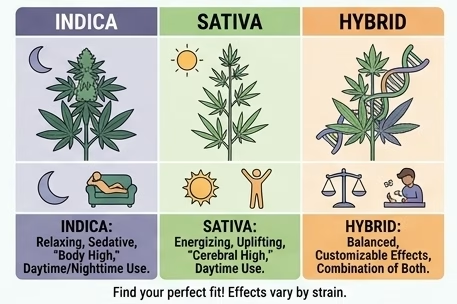
Visualizing the Difference Between Indica, Sativa, and Hybrid Strains

Comparison chart showing the difference between Indica, Sativa, and Hybrid cannabis strains and their effects.

Understanding the Difference Between Indica, Sativa, and Hybrid Strains

Indica – The Difference in Relaxing Effects

Indica strains are known for their relaxing and sedative effects. They typically have higher levels of CBD and lower levels of THC, though this can vary depending on the specific strain. Indicas are often recommended for nighttime use, as they help ease stress, promote relaxation, and can even aid with sleep disorders. The physical effects of Indica are often felt in the body, leading to feelings of heaviness or sedation.

Common effects:

  • Deep relaxation
  • Pain relief
  • Increased appetite (the “munchies”)
  • Sedation and sleepiness

Sativa – The Difference in Energy and Focus 

Sativa strains, in contrast, are typically more energizing and cerebral. They have higher levels of THC relative to CBD, and they often produce a more uplifting, euphoric high. Sativas are great for daytime use, as they can improve mood, creativity, and focus. Many people choose Sativa strains to enhance social interactions, exercise, or engage in creative projects.

Common effects:

  • Increased energy and focus
  • Enhanced creativity
  • Euphoria and mood boost
  • Increased heart rate (for some people)

Hybrids – The Best of Both Indica and Sativa Worlds 

Hybrid strains are crosses between Indica and Sativa plants, combining characteristics of both. Hybrids can be Indica-dominant, Sativa-dominant, or perfectly balanced, allowing users to tailor their experience based on the strain’s specific effects. These strains are particularly popular for their versatility, as they offer a balance of relaxation and euphoria. The effects of a hybrid can vary depending on its lineage and the balance of cannabinoids.

Common effects:

  • A blend of relaxation and energy
  • Customizable based on Indica or Sativa dominance
  • A more controlled experience
  • Relief from pain and anxiety, with uplifting effects

How to Choose the Right Strain 

When selecting a strain, consider your desired outcome. If you’re looking to unwind and relax at night, an Indica might be best. For daytime use or when you need an energy boost, a Sativa could be the better option. Hybrids can offer a balanced experience that works well in both scenarios.

Conclusion 

Now that you understand the basic differences between Indica, Sativa, and Hybrid strains, you can choose the right one based on your personal preferences and the experience you seek. Next, we’ll explore the effects of cannabis to help you better understand how different strains and doses can impact your body and mind.

Ready to take the next step? Now that you know how to choose your strain, it’s time to learn the best way to use it. [Read Chapter 3: Cannabis Effects for Beginners] to discover the difference between smoking, vaping, and edibles.

The Cannabis 101 Series:

Join the Sesh on Youtube or Spotify

Contact Thoughts Off The Stem
Understanding THC: How This Powerful Molecule Actually Affects Your Brain

Chapter 1: Understanding THC – The Heart of Cannabis

Introduction to THC 

What is THC for beginners? Understanding THC is the first step for any new cannabis consumer. As the primary psychoactive compound in the plant, this powerful molecule is responsible for the famous “high,” but its role goes far beyond recreation. By interacting with your endocannabinoid system, THC can influence everything from your mood to your perception of pain. In this chapter, we’ll explore the science behind the CB1 receptor and how the THC-to-CBD ratio can completely change your experience.

Part of the Cannabis 101 Series

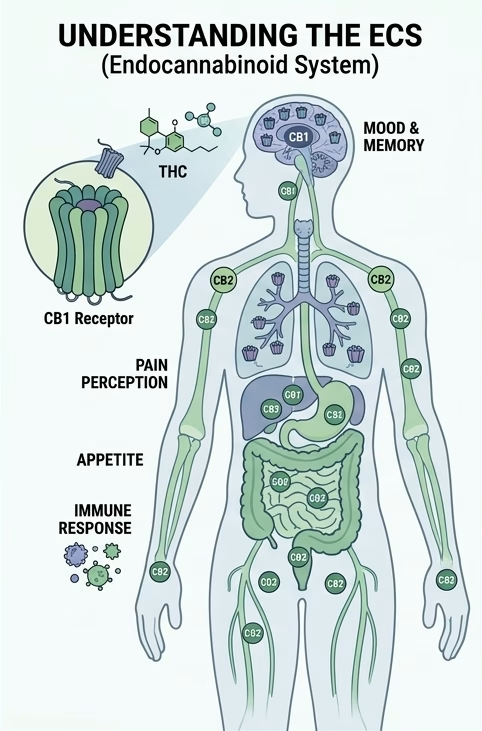
THC and the Endocannabinoid System Explained

Diagram showing how THC interacts with CB1 receptors in the human endocannabinoid system.

As shown in the diagram above, THC travels through the bloodstream to bind with receptors located in the brain, gut, and immune system.

FeatureDetails
Primary RoleThe main psychoactive compound responsible for the “high”.
How it WorksBinds to CB1 receptors in the brain’s endocannabinoid system.
Medical UsesHelps with chronic pain, nausea, appetite loss, and MS symptoms.
Main RisksCan cause anxiety, paranoia, and impaired motor coordination.
Pro TipCBD can counterbalance THC’s intensity for a more balanced effect.

How THC for Beginners Works in the Brain 

When you consume cannabis, THC binds to cannabinoid receptors in the brain, primarily the CB1 receptors, which are involved in regulating mood, memory, and motor control. This interaction causes the euphoric “high” associated with cannabis use. THC also affects other parts of the brain, including those that control sensory perception and time, which can lead to heightened senses and altered perception.

Common Medical Benefits: Why THC for Beginners is Used Therapeutically

In addition to its recreational effects, THC has a range of potential medical uses. Studies have shown that THC can help with chronic pain, nausea, and lack of appetite, particularly in patients undergoing chemotherapy. It’s also been used to treat conditions like glaucoma, multiple sclerosis, and anxiety disorders. However, as with any drug, the effects vary from person to person, so it’s important to use THC responsibly, especially for medicinal purposes.

Safety Tips: Using THC for Beginners 

While THC offers numerous benefits, it also has risks. High doses can lead to anxiety, paranoia, or even hallucinations, particularly in those who are unaccustomed to cannabis. THC can also impair short-term memory and motor coordination, which is why it’s crucial not to drive or operate heavy machinery after using cannabis. For beginners, starting with small doses and gradually increasing them is the best way to avoid unwanted side effects.

The THC-to-CBD Ratio 

Cannabis plants contain other compounds called cannabinoids, such as cannabidiol (CBD), which have different effects. THC is psychoactive, while CBD is not, and it has been shown to counterbalance some of THC’s more intense effects. Many cannabis products today are formulated with specific THC-to-CBD ratios, allowing users to choose the experience they want, whether it’s a stronger high or a more balanced effect.

Conclusion 

Understanding THC is essential for any cannabis user. Whether you’re using it for recreation or medicinal purposes, knowing how THC works in your body will help you make informed decisions about your consumption. In the next chapter, we’ll dive into the different types of cannabis – Indica, Sativa, and Hybrids – to help you choose the right strain for your needs.

Ready to learn about strains? [Click here for Chapter 2: Indica vs. Sativa vs. Hybrid]

The Cannabis 101 Series:

Join the Sesh on Youtube or Spotify

Contact Thoughts Off The Stem